How to Choose a 12V Diesel Fuel Transfer Pump for Truck-Mounted Fuel Tanks
Jun 29,2026 | Brearo
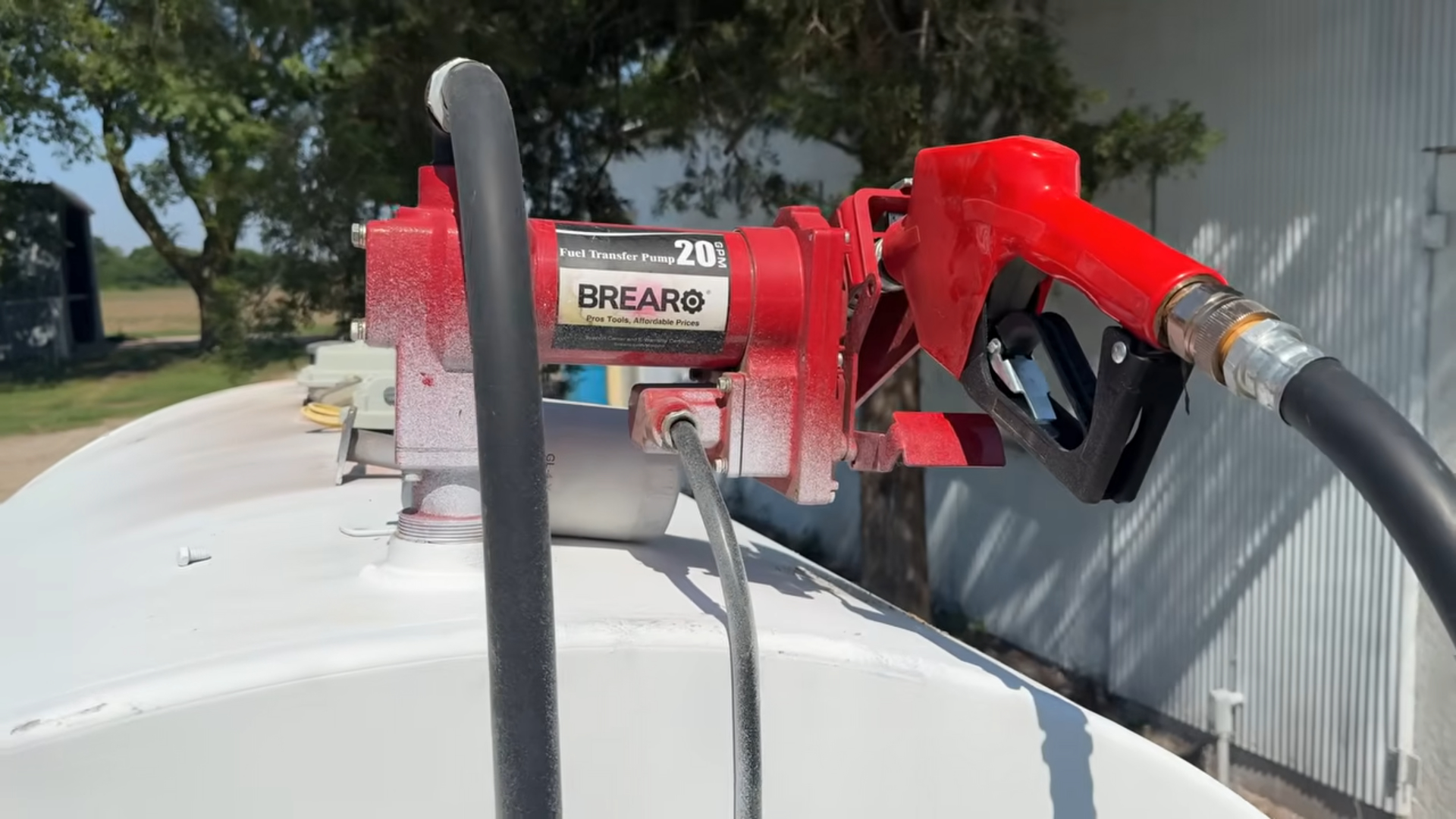
A truck-mounted fuel tank can make diesel refueling faster, easier, and more convenient for farmers, contractors, fleet operators, and service truck owners. But the tank is only one part of the setup. To move diesel safely and efficiently, you also need the right 12V diesel fuel transfer pump.
For pickup trucks, farm trucks, and service trucks, a 12V pump is often the most practical choice because it can run from a compatible vehicle battery or 12V power system. This makes it useful for mobile refueling at farms, jobsites, construction areas, ranches, and remote locations.
However, choosing the right diesel fuel transfer pump for a truck-mounted tank is not just about picking the highest GPM rating. You also need to consider tank size, flow rate, suction lift, hose reach, nozzle type, wiring, fuel compatibility, and how often the pump will be used.
This guide explains how to choose the right pump setup for your truck so you can build a fuel transfer system that fits your real working conditions.
Why Truck-Mounted Diesel Transfer Setups Are Different
A diesel transfer pump used on a truck is different from a pump used in a fixed shop or storage area. A truck setup has to handle vibration, movement, outdoor exposure, limited mounting space, and changing fueling locations.
A truck-mounted fuel transfer system is commonly used for:
- Pickup truck bed transfer tanks
- Farm trucks and ranch trucks
- Construction service trucks
- Mobile repair vehicles
- Fleet support trucks
- Off-road equipment refueling
- Generator and machinery fueling
Because the pump travels with the truck, it needs to be practical, durable, and easy to operate in the field. A pump that works well in a garage may not always be the best choice for a truck bed installation.
For truck-mounted tanks, the best pump is the one that matches your tank size, fueling routine, and power setup.
1. Start with Your Truck and Tank Size
Before comparing pump specifications, look at your actual truck setup.
Ask yourself:
- What size transfer tank do you use?
- Is the tank installed in a pickup bed, flatbed, or service body?
- How often do you transfer diesel?
- How many gallons do you usually pump at one time?
- Are you fueling one machine or multiple pieces of equipment?
- Will the pump stay mounted permanently or be removed after use?
A small pickup truck tank used occasionally may not need a high-flow pump. A service truck refueling equipment every day may need a stronger pump, longer hose, automatic nozzle, meter, and filter.
In general:
| Truck Setup | Typical Pump Need |
|---|---|
| Small pickup truck tank | Compact 12V pump, moderate flow |
| Farm truck tank | Higher flow, longer hose, filter, meter |
| Service truck tank | Durable pump, automatic nozzle, hose reel |
| Construction truck | High-flow pump, heavy-duty accessories |
| Emergency fueling setup | Portable pump, simple wiring, compact hose |
Choosing based on your actual use case helps prevent overspending on a pump that is too large or buying one that is too slow for daily work.
2. Choose the Right Flow Rate for Truck Use
Flow rate is usually measured in GPM, or gallons per minute. It tells you how much diesel the pump can move under ideal conditions.
For truck-mounted fuel tanks, the right flow rate depends on tank capacity and how quickly you need to refuel equipment.
General Flow Rate Guide
| Flow Rate | Best For |
|---|---|
| 8–10 GPM | Occasional pickup truck use, small tanks |
| 10–15 GPM | General truck-mounted diesel transfer |
| 15–20 GPM | Farm trucks, service trucks, regular equipment fueling |
| 20+ GPM | High-volume fueling and larger jobsite operations |
A higher GPM pump can save time, especially when fueling tractors, skid steers, excavators, generators, or multiple vehicles. But higher GPM is not always automatically better.
Actual flow can be reduced by:
- Long hose length
- Narrow fittings
- Fuel filters
- Automatic nozzles
- Tank position
- Battery condition
- Wiring quality
- Cold diesel temperature
For many truck-mounted diesel tank setups, a 15 GPM to 20 GPM pump offers a practical balance between speed, power demand, and ease of use.
3. Check Suction Lift and Pump Position
Suction lift matters because the pump needs to pull diesel from the tank before pushing it through the hose and nozzle.
For truck-mounted tanks, pump position can vary. Some pumps are mounted directly on top of the tank. Others are installed beside the tank or on a service truck body. The more difficult the fuel path, the more important suction performance becomes.
Before choosing a pump, consider:
- Is the pump mounted above the fuel level?
- How far does fuel travel before reaching the pump?
- Is the suction hose short and direct?
- Are there many elbows, fittings, or restrictions?
- Is the tank installed higher or lower than the pump?
A simple, short, direct suction path usually performs better. If the pump has to pull fuel through a long or restrictive path, flow rate may drop.
For truck-mounted fuel tanks, it is usually best to mount the pump securely and as close to the tank outlet as practical.
4. Match the Pump to Diesel Fuel Compatibility
This article focuses on diesel applications, but fuel compatibility still needs attention. Not every pump is approved for every fuel type.
Many diesel transfer pumps are designed for diesel, kerosene, and light oils. Some may also support certain other liquids, depending on the model. Gasoline is a different matter and should never be assumed compatible unless the manufacturer clearly states that the specific pump is approved for gasoline use.
Before using a pump, always check the product instructions for approved liquids.
Common diesel-related applications may include:
- Diesel
- Kerosene
- Light oil
- Gas oil
- Certain biodiesel blends, only if approved by the manufacturer
Do not use a diesel-only pump for gasoline, ethanol blends, or other volatile liquids unless the pump is specifically designed and approved for that use.
Fuel compatibility is not just a performance issue. It is also a safety issue.
5. Review the 12V Power Requirements
A 12V diesel fuel transfer pump is popular for truck use because it can be powered by a compatible truck battery or 12V electrical system. This makes it practical for mobile fueling.
However, you still need to check the electrical requirements before installation.
Important details include:
- Voltage
- Amp draw
- Fuse or breaker requirements
- Cable length
- Wire gauge
- Battery clip or hardwire connection
- Duty cycle
- Switch location
A high-flow pump may require more current than a smaller pump. Poor wiring, weak battery connection, or incorrect fuse setup can reduce performance or create safety issues.
For occasional use, battery clips may be convenient. For frequent service truck or farm truck use, a more secure hardwired installation may be better.
A clean electrical setup helps the pump run more consistently and reduces the chance of field problems.
6. Choose the Right Hose Length for Your Truck
Hose reach is one of the most important details for truck-mounted fueling. The pump may work well, but if the hose is too short, the setup becomes inconvenient.
Think about how the truck will be parked when refueling equipment.
Ask:
- Do you need to reach equipment beside the truck?
- Do you need to fuel machines behind the truck?
- Is the tank installed in a pickup bed or service body?
- Will you use the pump in tight spaces?
- Do you need a hose reel for storage?
A longer hose gives more reach, but it can also reduce flow if the pump and hose size are not matched correctly. A shorter hose may improve flow but limit convenience.
For pickup truck tanks, a medium-length hose may be enough. For farm trucks and construction service trucks, a longer hose or hose reel can make the setup much easier to use.
7. Manual Nozzle or Automatic Nozzle?
The nozzle affects how the pump feels in daily use.
A manual nozzle is simple, affordable, and easy to control. It works well for occasional diesel transfer or smaller setups.
An automatic nozzle is better for frequent refueling because it is more convenient and helps improve control during longer fueling sessions.
Cr: @daveyslogging
Manual Nozzle
Best for:
- Occasional pickup truck use
- Smaller transfer tanks
- Budget-friendly setups
- Users who prefer direct control
Automatic Nozzle
Best for:
- Farm trucks
- Service trucks
- Construction equipment fueling
- Frequent refueling
- Larger diesel transfer tanks
For truck-mounted fuel tanks used regularly, an automatic nozzle is usually worth considering.
8. Decide Whether You Need a Flow Meter
A flow meter is not required for every truck-mounted diesel system, but it can be very useful when fuel tracking matters.
A meter helps you see how much diesel is transferred during each fueling session. This is useful for farms, jobsites, equipment operators, and fleet support vehicles.
A fuel flow meter is especially helpful for:
- Tracking equipment fuel usage
- Managing farm fuel consumption
- Monitoring jobsite diesel usage
- Recording fuel for service trucks
- Reducing fuel waste
- Improving accountability
If you only fuel your own equipment occasionally, a meter may be optional. If multiple machines, vehicles, or operators use the same truck tank, a meter becomes much more valuable.
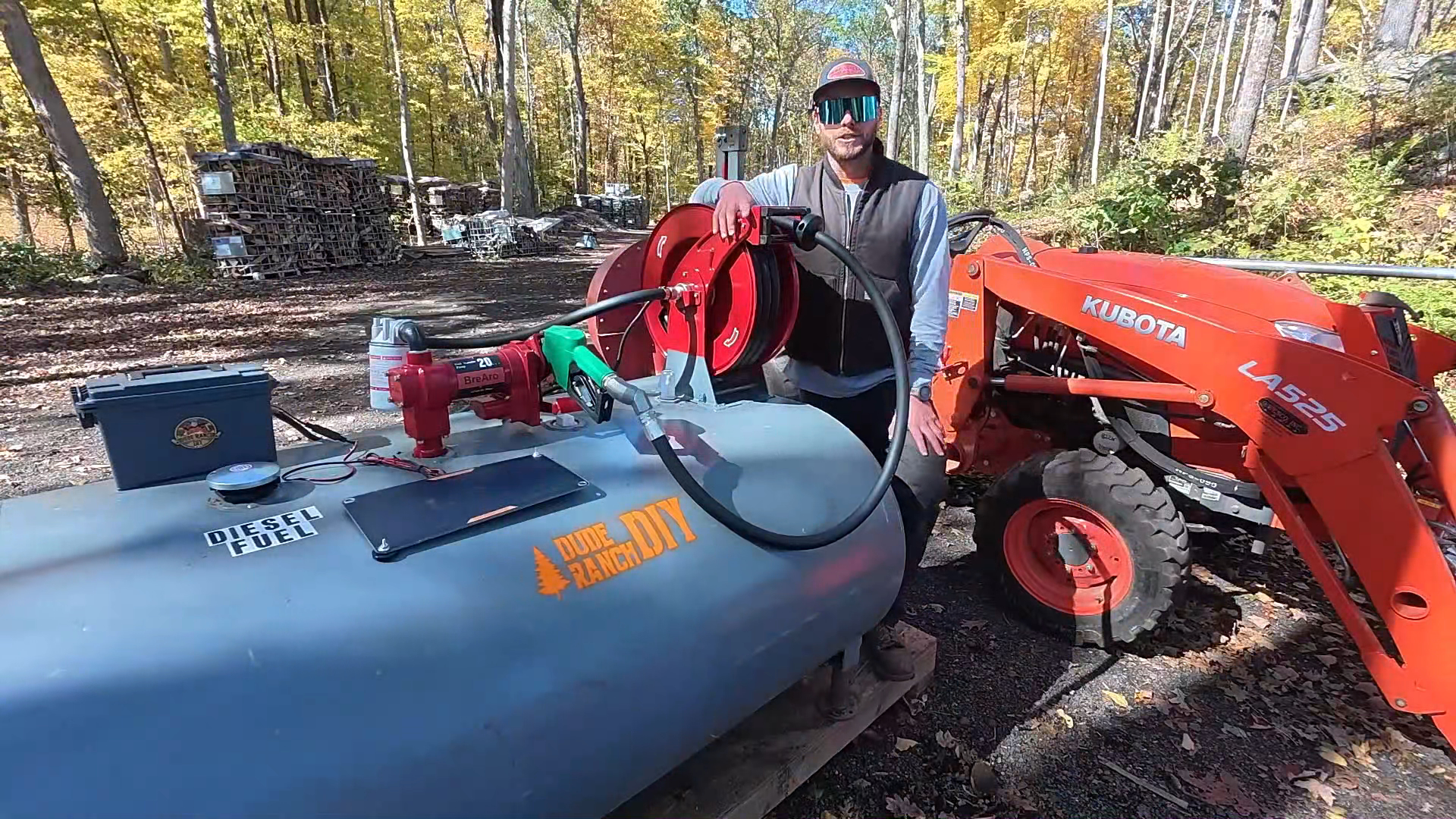
For a more complete truck-mounted diesel transfer system, consider pairing the pump with a digital flow meter, filter, hose, and automatic nozzle.
9. Consider Adding a Fuel Filter
Fuel cleanliness matters, especially when diesel is stored in a transfer tank. Dust, water, rust, or debris can create problems for equipment.
A fuel filter can help protect the equipment being fueled and improve the overall reliability of the transfer system.
A filter is especially useful for:
- Farm tanks
- Construction sites
- Outdoor storage
- Older transfer tanks
- Frequent diesel transfer
- Equipment with sensitive fuel systems
A filter may slightly reduce flow rate, but it can provide extra protection. When adding a filter, make sure it matches the pump’s flow rating and fuel type.
10. Think About Hose Storage and Mounting
A truck-mounted pump setup should be easy to store and use. Loose hoses, unsecured nozzles, and poorly mounted pumps can create problems during daily operation.
For a clean setup, consider:
- Secure pump mounting
- Hose reel or hose holder
- Nozzle holder
- Weather protection
- Protected wiring
- Easy access to the switch
- Clear routing for the hose
- Secure fittings and connections
A pump that is permanently installed on a truck should be mounted firmly enough to handle vibration and movement. The hose should also be stored properly to prevent damage, kinks, and contamination.
For service trucks and construction trucks, a fuel hose reel can make the system much more organized.
Recommended Setups by Truck Type
Different truck users need different diesel transfer systems. Here are a few practical setup examples.
Pickup Truck with Transfer Tank
A pickup truck owner usually needs a compact and easy-to-use setup. The goal is convenience without taking up too much space in the truck bed.
Recommended setup:
- 10–15 GPM 12V diesel pump
- Medium-length hose
- Manual or automatic nozzle
- Basic fittings
- Optional flow meter
- Simple battery connection or secured wiring
This type of setup works well for small farms, personal equipment, generators, and occasional field refueling.
Farm Truck
Farm trucks often need to refuel multiple machines across a wide area. A faster pump and longer hose can save time during busy workdays.
Recommended setup:
- 15–20 GPM 12V diesel fuel transfer pump
- Longer fuel hose
- Automatic nozzle
- Fuel filter
- Flow meter
- Secure tank installation
- Hose storage or hose reel
This setup is useful for tractors, skid steers, generators, irrigation equipment, and other farm machinery.
Construction Service Truck
Construction and service trucks usually need a more durable setup because they may refuel equipment frequently on jobsites.
Recommended setup:
- 15–20+ GPM pump
- Automatic nozzle
- Fuel hose reel
- Digital flow meter
- Filter
- Heavy-duty fittings
- Secure mounting system
- Protected wiring
For construction use, durability and organization matter as much as pump speed.
Emergency or Backup Fuel Truck Setup
For emergency or occasional diesel transfer, portability may matter more than maximum flow.
Recommended setup:
- Portable 12V diesel transfer pump
- Battery clips
- Compact hose
- Manual nozzle
- Simple storage setup
- Easy-to-move design
This setup is suitable for backup fueling, remote work, small tanks, and occasional field use.
Common Mistakes to Avoid
Choosing Only by the Highest GPM
A high GPM rating may look attractive, but it does not guarantee the best real-world performance. Hose size, wiring, nozzle type, filters, and fittings all affect actual flow.
Choose a pump that matches your full system, not just the highest number on the product page.
Ignoring the Truck’s Power Setup
A 12V pump depends on proper power delivery. Weak connections, undersized wires, or incorrect fuse protection can cause performance problems.
Always check the pump’s electrical requirements before installation.
Using the Wrong Pump for the Wrong Fuel
A diesel fuel transfer pump should only be used with approved fuels. Do not use it for gasoline unless the specific pump is clearly approved for gasoline use.
Forgetting Hose Reach
A pump may be powerful enough, but the setup may still be frustrating if the hose cannot reach the equipment you need to fuel.
Measure your real fueling distance before choosing a hose length.
Skipping Accessories
A pump alone may not be enough. Depending on your setup, you may also need a hose, nozzle, filter, flow meter, hose reel, fittings, or mounting hardware.
Quick Buying Checklist
Before buying a 12V diesel fuel transfer pump for your truck-mounted tank, answer these questions:
- What size is your truck-mounted fuel tank?
- How many gallons do you usually transfer?
- How often will you use the pump?
- Do you need 10 GPM, 15 GPM, or 20+ GPM?
- Will the pump be mounted permanently?
- Is your tank in a pickup bed, flatbed, or service body?
- How far does the hose need to reach?
- Do you need a manual or automatic nozzle?
- Do you need a flow meter for tracking?
- Do you need a fuel filter?
- Can your truck’s 12V system support the pump?
- Is the pump approved for the fuel you plan to transfer?
- Will the pump be exposed to weather, dust, or vibration?
This checklist can help you narrow down the right pump and avoid buying a setup that does not match your truck.
Final Thoughts
Choosing the right 12V diesel fuel transfer pump for a truck-mounted fuel tank depends on more than flow rate. The best setup should match your truck, tank size, power system, hose reach, nozzle type, fuel compatibility, and daily fueling needs.
For occasional pickup truck use, a compact 10–15 GPM pump may be enough. For farm trucks and service trucks, a 15–20 GPM pump with a longer hose, automatic nozzle, filter, and flow meter may provide a better long-term setup.
The right diesel fuel transfer pump should make refueling faster, cleaner, and easier without creating unnecessary complexity.
Looking for a diesel transfer setup for your pickup truck, farm truck, or service truck? Explore Brearo fuel transfer pumps, truck-mounted fuel tanks, fuel hose reels, nozzles, flow meters, and accessories designed for practical diesel refueling applications.
Comment