Diesel Heater vs Propane Heater: Which Garage Heater is Right for You?
Oct 17,2025 | Brearo
Choosing the right heater for your garage, workshop, or portable needs can be a challenge. Two popular options dominate the market: propane and diesel. Both fuel types offer powerful, fast heat. However, they operate differently and have distinct pros and cons. This guide provides a detailed comparison of fuel costs, efficiency, safety, and typical use cases. By the end, you will know exactly which heater is the better fit for your specific needs.
Quick Heat Comparison: Propane vs Diesel Heaters
Propane and diesel heaters generate heat through two main methods: radiant or forced air.
Propane Heaters
Propane units are known for their instant heat. They typically use a radiant design or a high-volume fan to push hot air. Propane burns very cleanly. Many models can be used without an external exhaust vent. Propane heaters are convenient for quick, localized heat.
Diesel Heaters
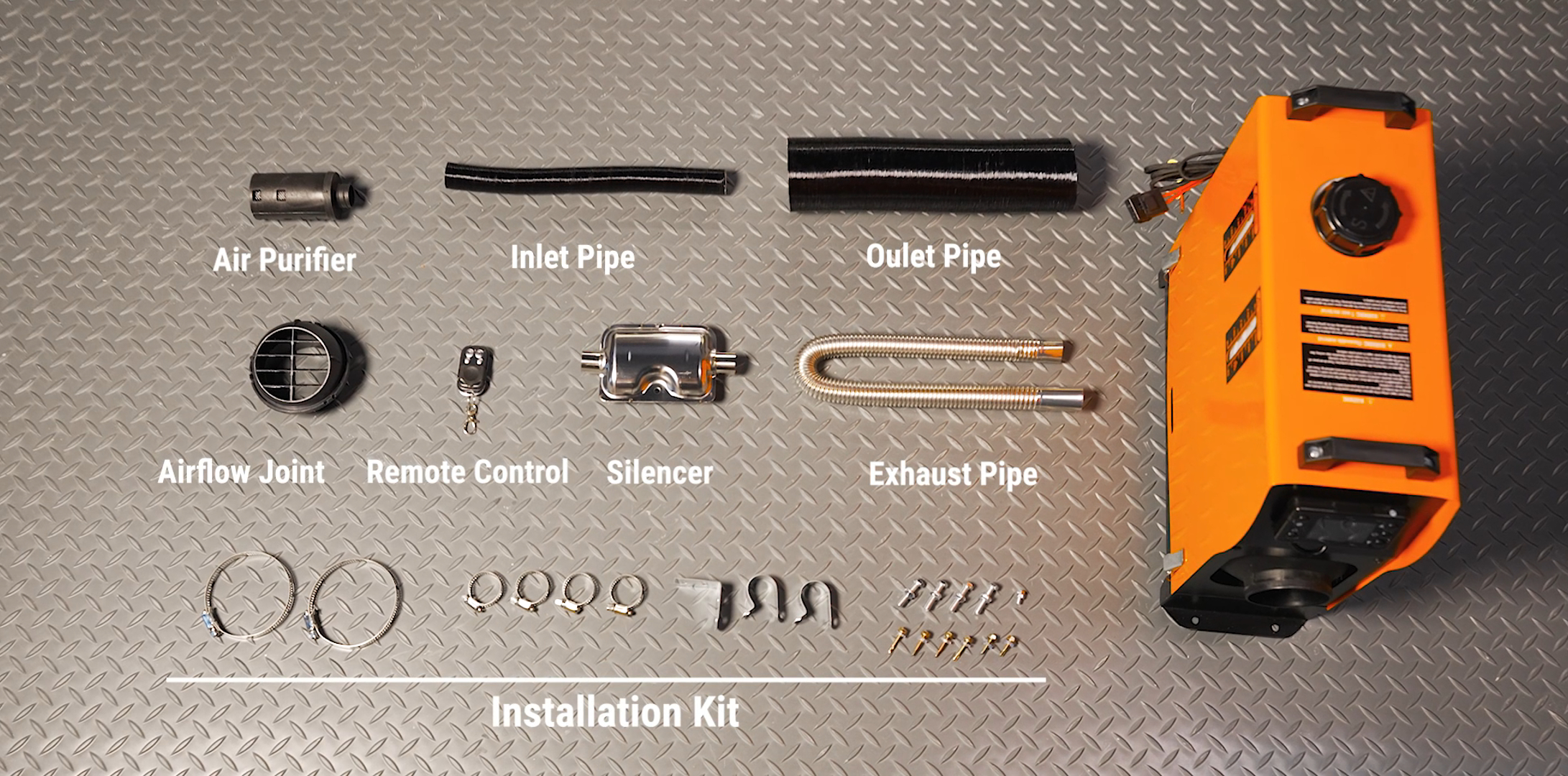
Diesel heaters most often use a forced-air design. Fuel is ignited in a sealed combustion chamber. A fan then blows hot, clean air into the space. The combustion exhaust is vented outside. This closed system makes them popular for long-duration, enclosed use. They are perfect for RVs, vans, and sealed workshops.
One example is BreAro diesel heaters, which are designed for workshops, mobile garages, and vehicle conversions. These units offer robust construction, high energy efficiency, and sealed combustion systems ideal for continuous use in enclosed spaces.
Diesel Heater Safety and Fuel Efficiency
When evaluating a heater, fuel cost and efficiency are major considerations.
| Feature | Propane (LPG) | Diesel (No. 2 Fuel Oil) |
|---|---|---|
| Energy Content (BTU/gallon) | Approx. 91,500 BTU/gallon | Approx. 138,700 BTU/gallon |
| Fuel Storage | Pressurized tanks (bottles) | Liquid fuel tank (jerrycans or built-in) |
| Combustion | Very clean; often ventless | Requires external venting (exhaust) |
| Cold Weather Performance | Tank pressure drops; output is reduced |
Performs well; fuel may gel if not treated |
Diesel fuel contains roughly 50% more energy per gallon than propane. A diesel heater, such as those from BreAro, will run longer than a propane heater on the same volume of fuel, translating to lower cost per hour.
Propane, however, is easier to acquire and store in smaller tanks. For short, intermittent use, the operating cost difference may be negligible.
Safety and Ventilation Considerations
Propane Safety
Many propane heaters are ventless, releasing combustion byproducts directly into the heated space. Propane combustion produces water vapor and a small amount of carbon monoxide (CO). Adequate ventilation and a CO detector are essential when using ventless propane heaters.
Diesel Safety
Diesel heaters are safer for enclosed spaces because they use a sealed combustion system. Exhaust fumes are channeled outside through a dedicated pipe, keeping the indoor air safe. BreAro diesel heaters highlight this feature, with robust exhaust routing and reliable long-term operation, making them ideal for garages and workshops.
Comparison: Kerosene vs Diesel Heater
Kerosene is another liquid fuel often considered alongside diesel. Many heaters can burn both.
-
Performance: Kerosene burns with less odor and smoke, preferred when diesel smell is undesirable.
-
Cold Weather: Diesel may gel in extreme cold, while kerosene has a lower gelling point for reliable startup.
Dual-rated heaters may have slightly higher fuel costs with kerosene but offer cleaner operation and better cold-weather performance.
Best Use Cases: Which Heater is Right for You?
Choose a Propane Heater if you need:
-
Portability and Quick Setup: Easy to connect tanks, no permanent installation.
-
Intermittent, Immediate Heat: Radiant heaters provide instant warmth for small work areas.
-
An Open or Ventilated Garage: Continuous fresh air is needed for safe operation.
-
Outdoor/Covered Areas: Ideal for patios, construction sites, or loading docks.
Choose a Diesel Heater if you need:
-
Long-Term, Enclosed Heating: Sealed combustion systems are superior for continuous heat in insulated spaces. BreAro diesel heaters are built for this, offering consistent heat output and safety.
-
Fuel Efficiency and Run Time: Diesel’s high energy content allows longer operation at lower cost.
-
Superior Safety in a Sealed Space: Exhaust is always vented outside, keeping indoor air safe.
-
Workshop Heating: Diesel units are robust, designed for hours of continuous operation in garages or repair shops.
Final Verdict
For a new, uninsulated garage where only short bursts of heat are needed, propane is simpler and cheaper. Ensure proper ventilation.
For a well-insulated garage, permanent workshop, or enclosed vehicle (RV/Van), diesel is the definitive choice. Properly vented diesel heaters save money and provide peace of mind. Brands like BreAro offer ready-to-use solutions that combine efficiency, safety, and durability.
Comment